A BOOK-INSPIRED GUIDE TO BAHIA AND RIO DE JANEIRO, BRAZIL
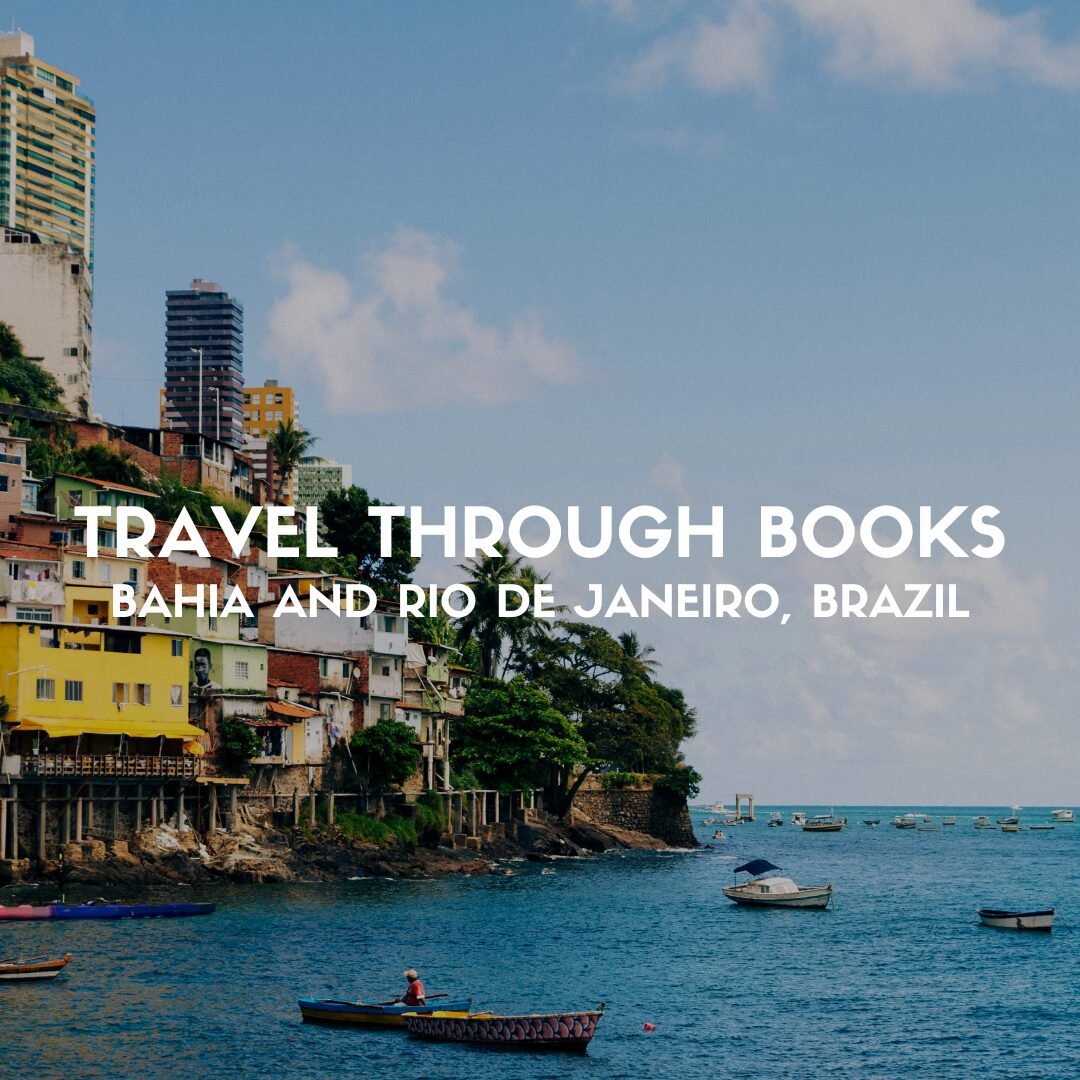
Welcome to Bahia and Rio de Janeiro, Brazil! I’m Jalisa and I’m the Founder of BOOKED Trips. When I’m not planning public book-inspired trips, I love to create personal itineraries to new places grounded in literature by authors from the places I’m visiting. I recently traveled to Bahia and Rio de Janeiro, Brazil (my 50th country!) and I wanted to share my experience and some of my recommendations.
Bahia is one of 26 states in Brazil and renowned as the nation’s cultural heart, with a rich blend of African, Indigenous, and Portuguese traditions. Salvador, the capital, has one of the largest Black populations outside of Africa and is one of the main strongholds for the preservation of African heritage in the country, particularly in gastronomy. Rio is known as the Cidade Maravilhosa (Marvelous City) because of its plentiful white-sand beaches, green mountains covered in a lush tropical forest and dramatic views from nearly every angle. Here you can see world wonder Christ the Redeemer, experience one of the most famous Carnivals in the world, and visit famous beaches from Copacabana to Ipanema.
Brazilian literature doesn’t get as widely translated as literature from other countries but I got some great recommendations from threads and ended up reading Crooked Plow by Itamar Vieira Junio which is set in rural Bahia and Solitaria by Eliana Alves Cruz which is set in an unnamed city in Brazil. Other recommendations included and you can find a few recommendations here. Without further ado, here’s my tips for what to read, eat, and do in Bahia and Rio!
WHAT TO READ:
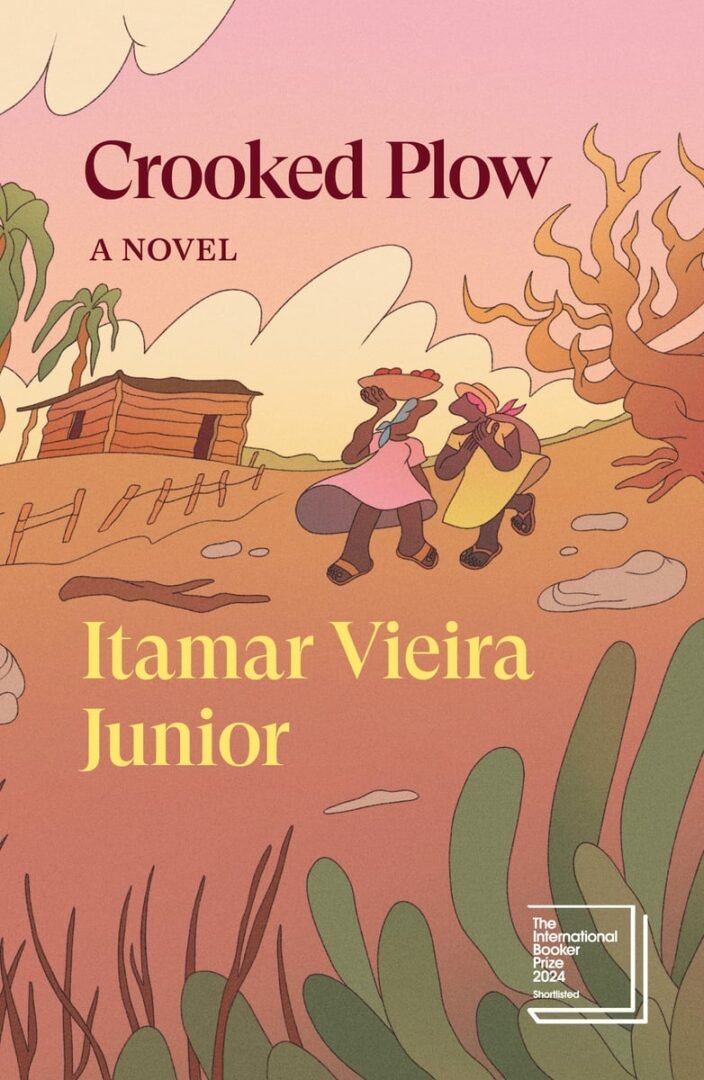
Crooked Plow by Itamar Vieira Junio is a great story of family inheritances and Black Brazilians reclaiming their land and self-sovereignty. Deep in Brazil’s neglected Bahia hinterland, two sisters find an ancient knife beneath their grandmother’s bed and, momentarily mystified by its power, decide to taste its metal. The shuddering violence that follows marks their lives and binds them together forever. I was shook from the first chapter and loved the ancestral revenge plot of the end.
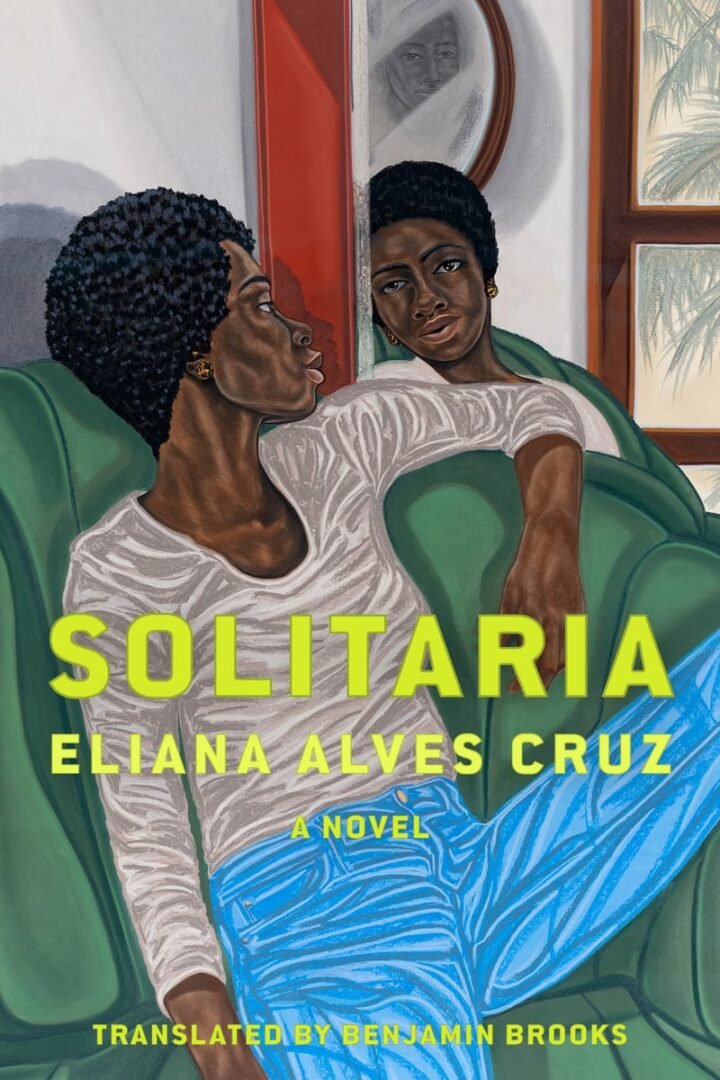
Solitaria by Eliana Alves Cruz tells the story of income inequality and how the legacies of colonial violence continue to play out on the large and small scale in modern day Brazil. The book follows the stories of Mabel and her mother Eunice who is the maid of a family staying in one of the wealthiest neighborhoods in the city. Eunice moves through the rooms of the penthouse suite in silent servitude, and though Mabel is ashamed of this invisibility act they’ve both perfected, the era of slavery is still fresh in the country’s consciousness, and Eunice thinks it best not to dwell too hard on such things. But when tragedy strikes, and a little boy dies, Eunice must decide if she can face the indifference and injustices of the ruling class she has spent so long orbiting. This book was a great backdrop to the income inequality that was on prominent display in Rio.
WHERE TO STAY IN BAHIA:
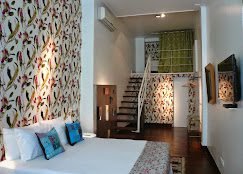
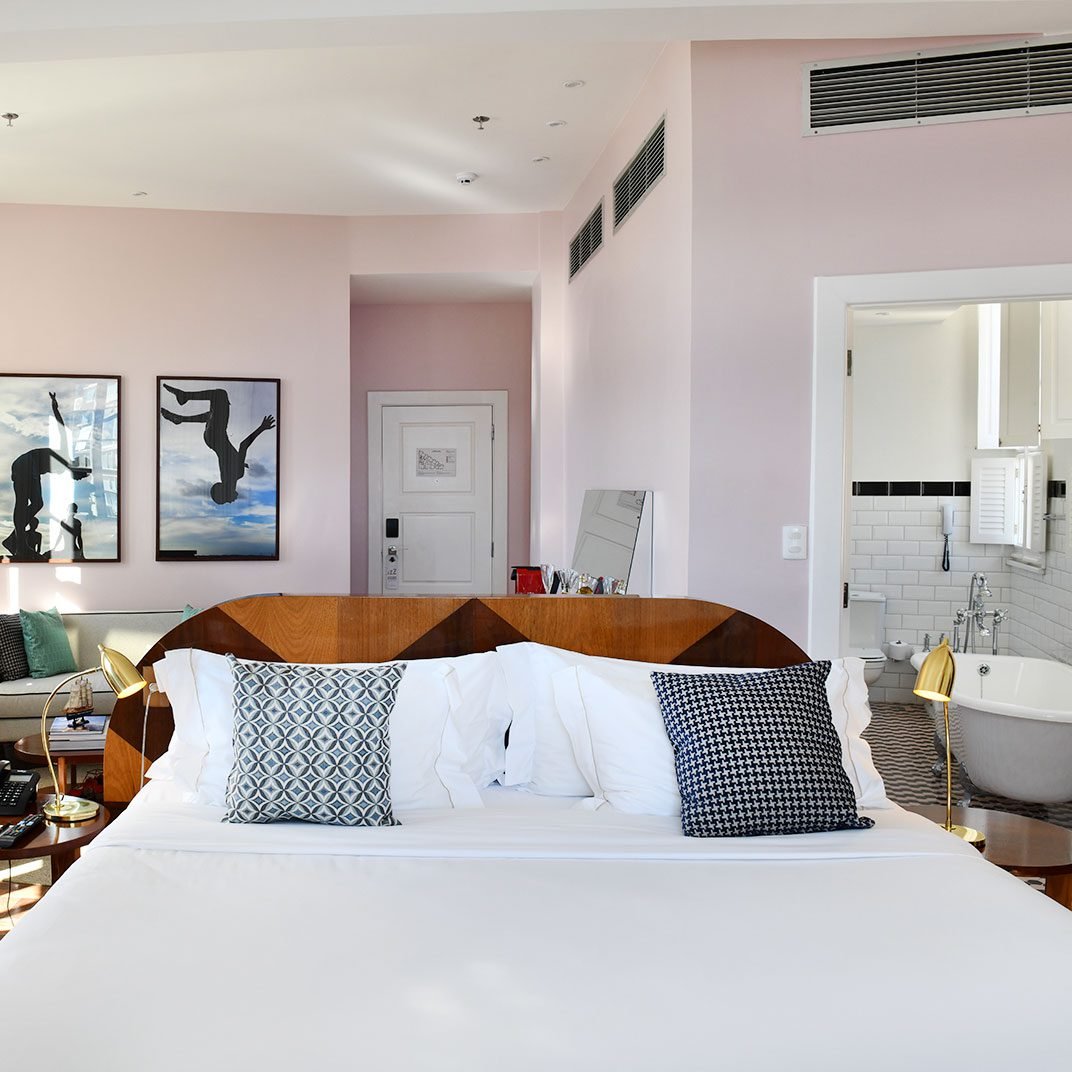
- Aram Yami Hotel – a 4-star, well located boutique hotel with 6 suites in a beautiful colonial building.
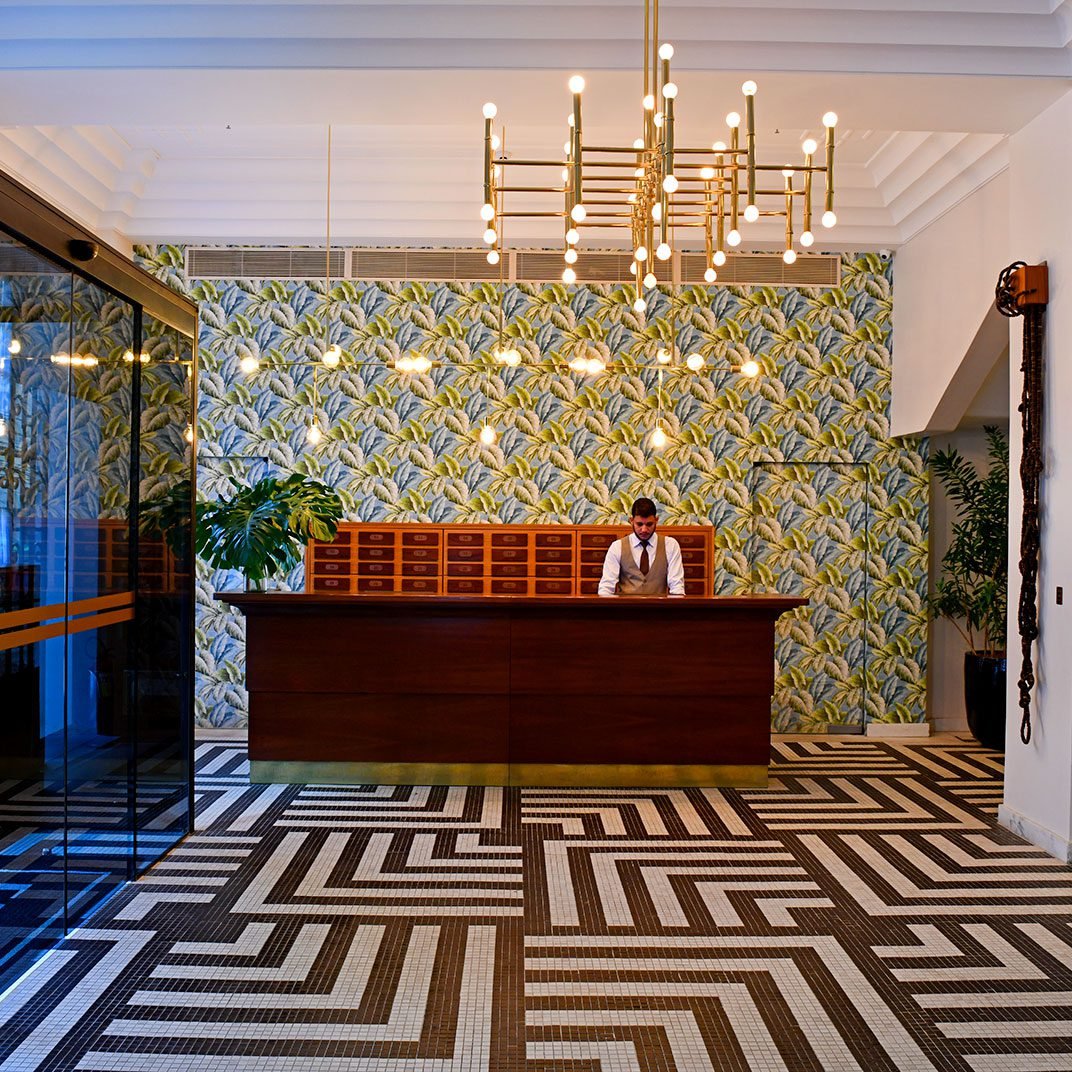
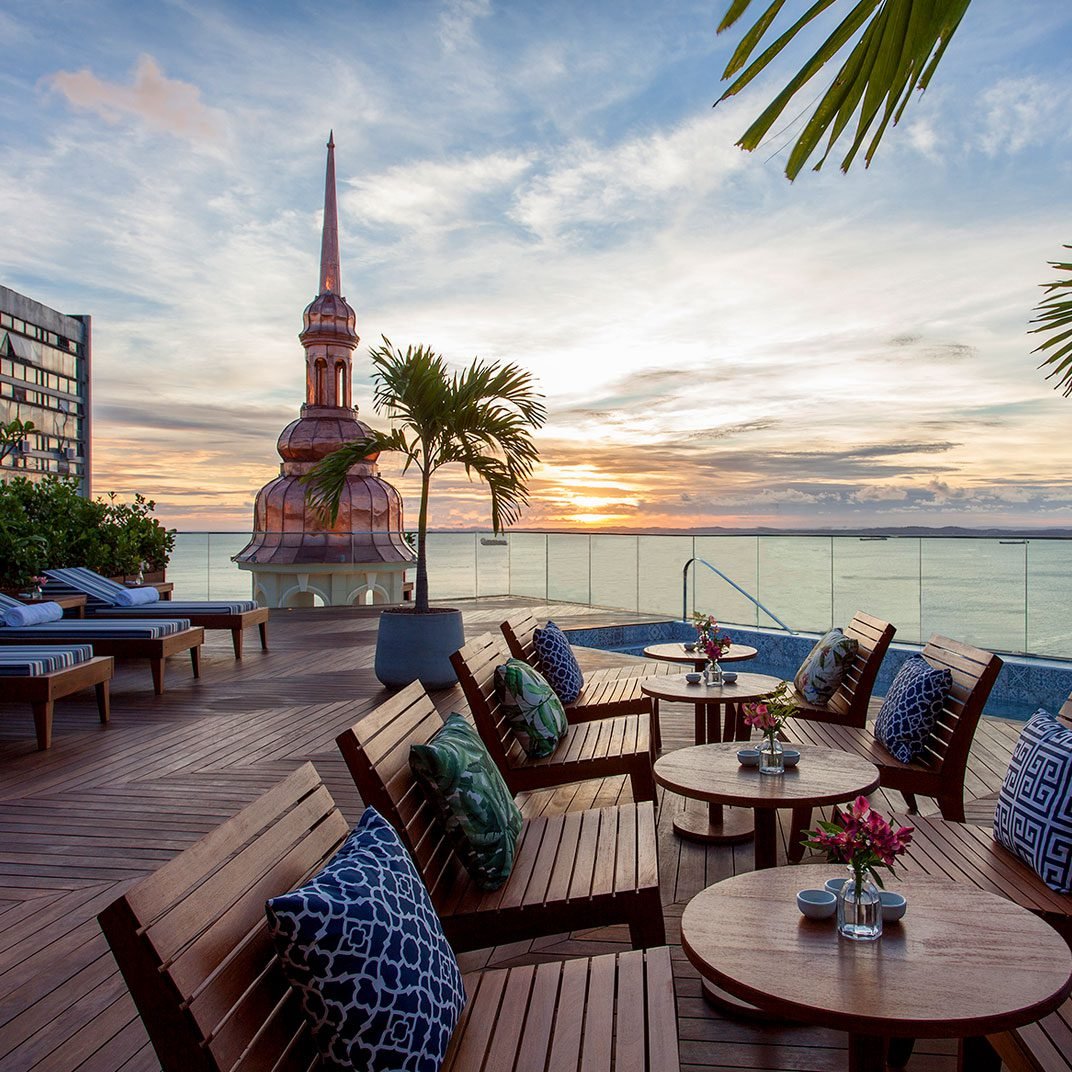
- Fera Palace Hotel – 81 upscale apartments and suites centrally located in Bahia.
WHAT TO DO & WHERE TO EAT IN BAHIA:
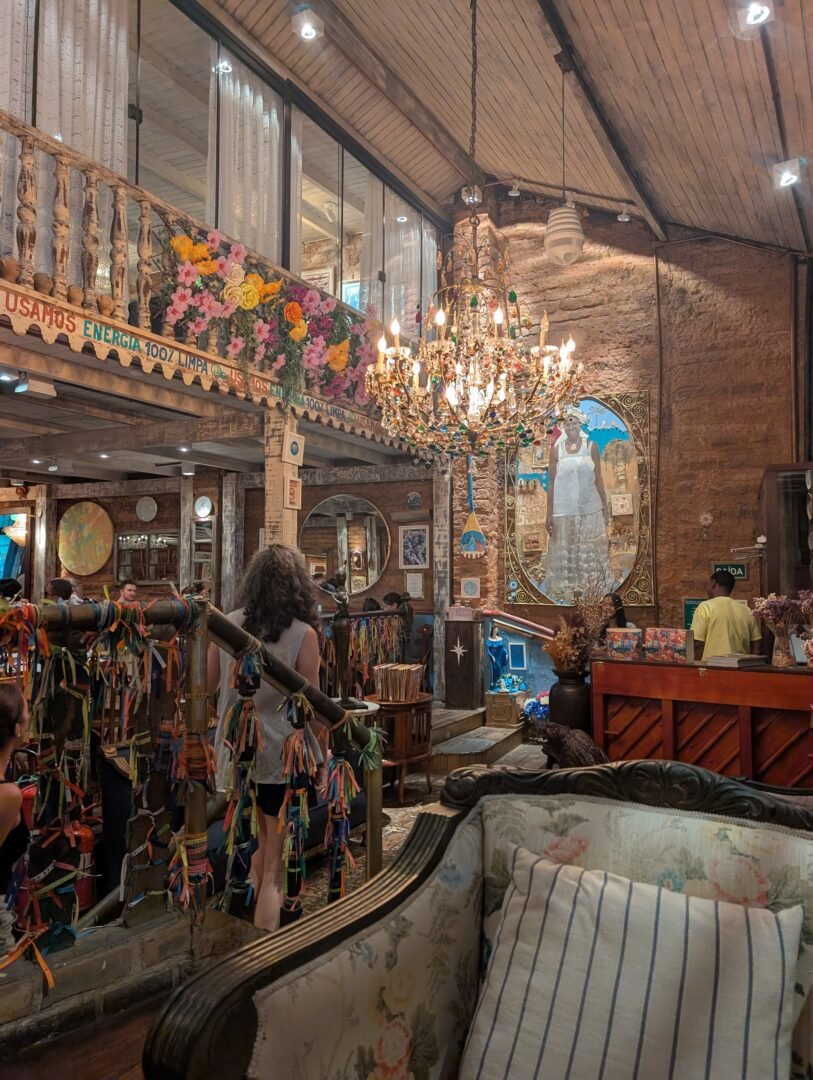
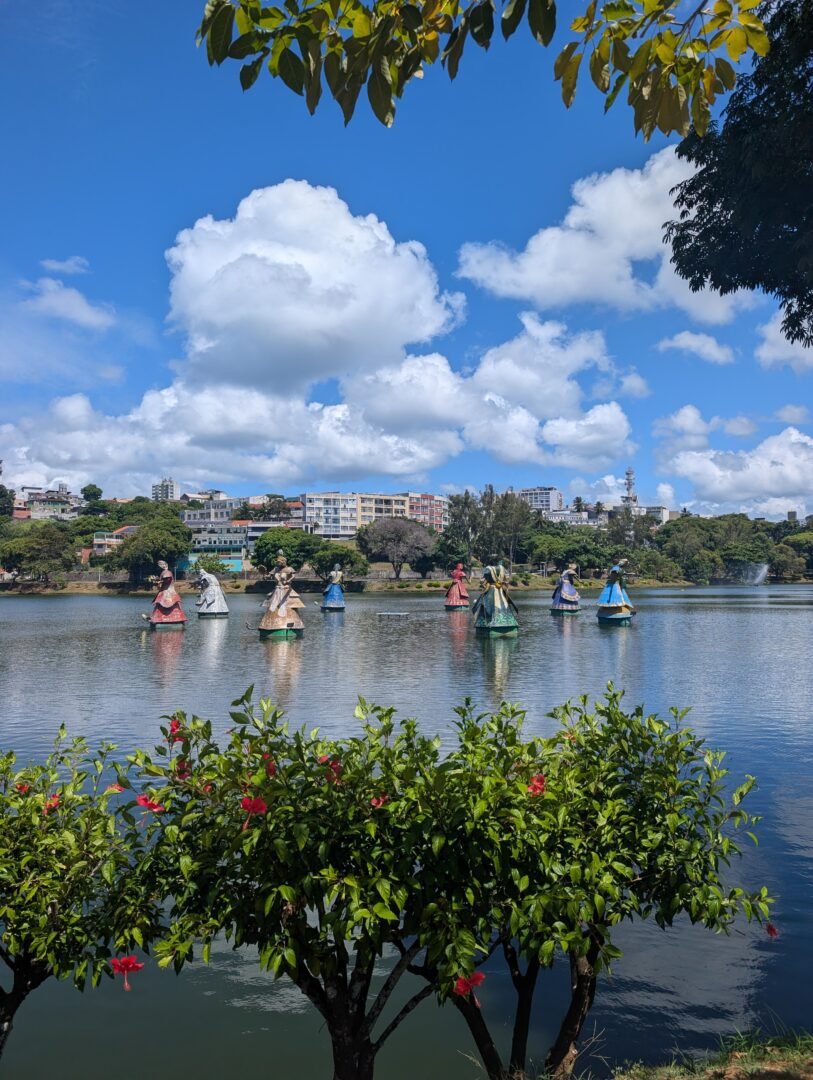
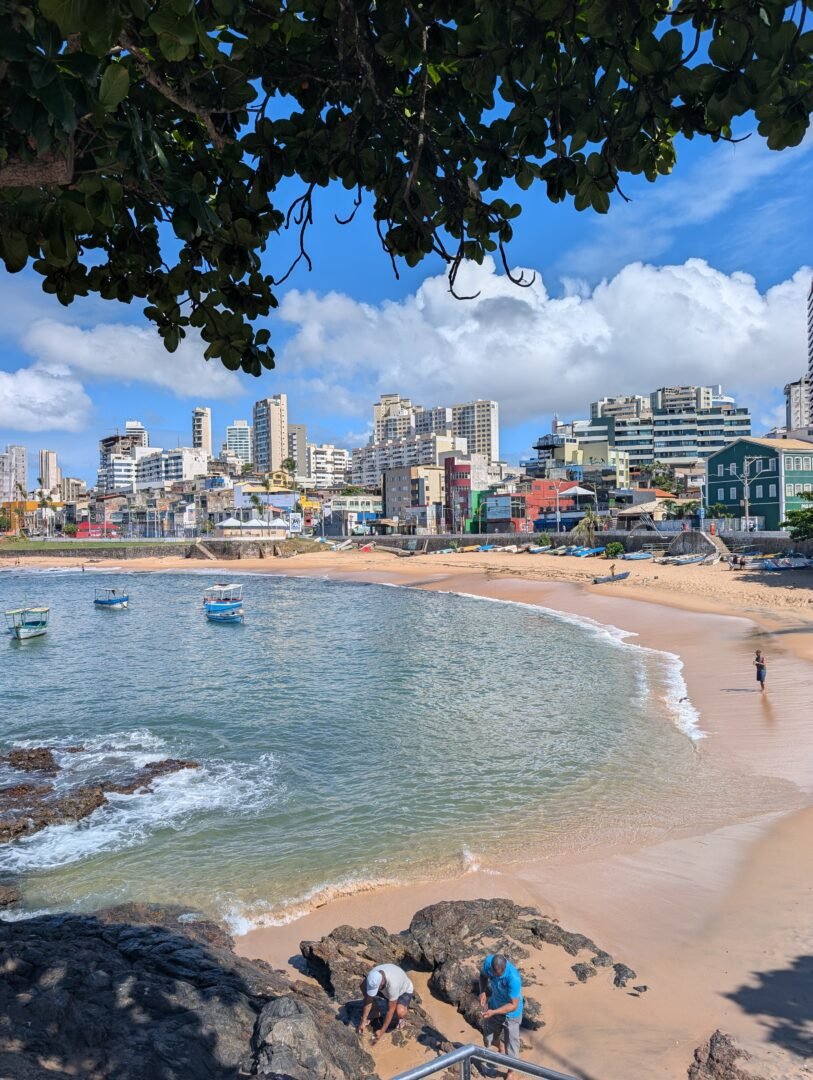
- Learn about Afro-Brazilian history and religion. I learned about Candomblé, a religion born from Yoruba spirituality. Forbidden from openly worshiping their Orishas, enslaved Africans covertly prayed to these deities by linking them with Catholic saints.
- See a phenomenal lineup of diasporic Black artists at Museu Nacional da Cultura Afro-Brasilera.
- Have lunch at Zanzibar a restaurant run by Ana Célia for 46 years. The restaurant is a symbol of the preservation of ancestral cuisine and the fight for cultural identity.
- Enjoy a waterfront lunch with a live band at Pier 7. Their moqueca was my favorite from the trip.
- Have dinner and drinks at Restaurante Casa de Tereza which was opened in 2012 by chef Tereza Paim. The restaurant offers customers four themed areas that pay homage to established regional themes: the “Salão Bel Borba,” dedicated to the Bahian visual artist known for his public interventions on the walls of the capital; the “Salão Galeria Iemanjá,” which brings together works by eleven local artists, creating a setting representative of the symbolism of the water deity, who has a strong influence on Bahian culture; the “Salão Terreiro,” with references to various expressions of Candomblé; and the “Espaço Barroco,” which classically and boldly reproduces the artistic style of the 17th and 18th centuries, which inspired several buildings in Salvador, including churches in Pelourinho.
WHERE TO STAY IN RIO:


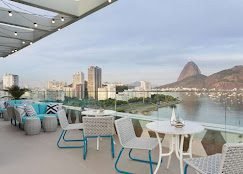
- Miramar Hotel by Windsor Copacabana– a 5-star hotel that blends beachfront luxury with modern design, offering stunning ocean views, a rooftop pool, and butler service for an unforgettable Rio escape.
- Yoo2 Rio de Janeiro – combines cutting-edge design with local Brazilian soul, offering rooftop cocktails with Sugarloaf Mountain views and an immersive Carioca experience.
WHAT TO DO AND WHERE TO EAT IN RIO:
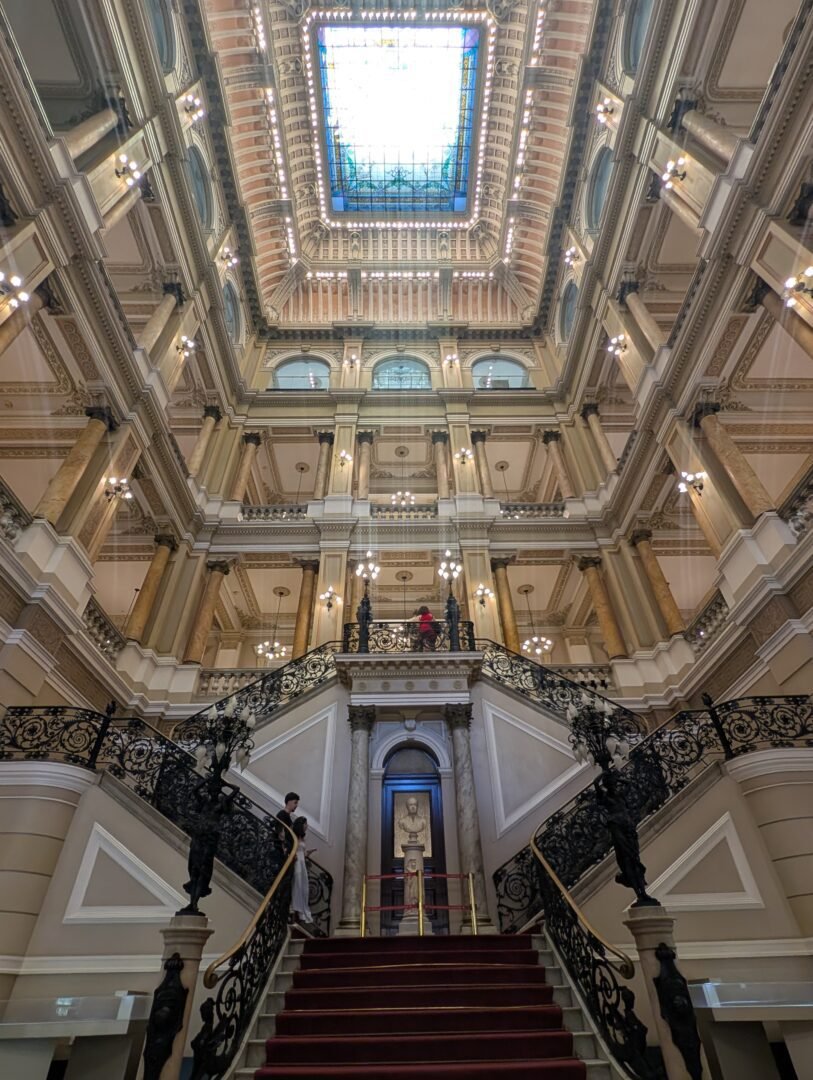
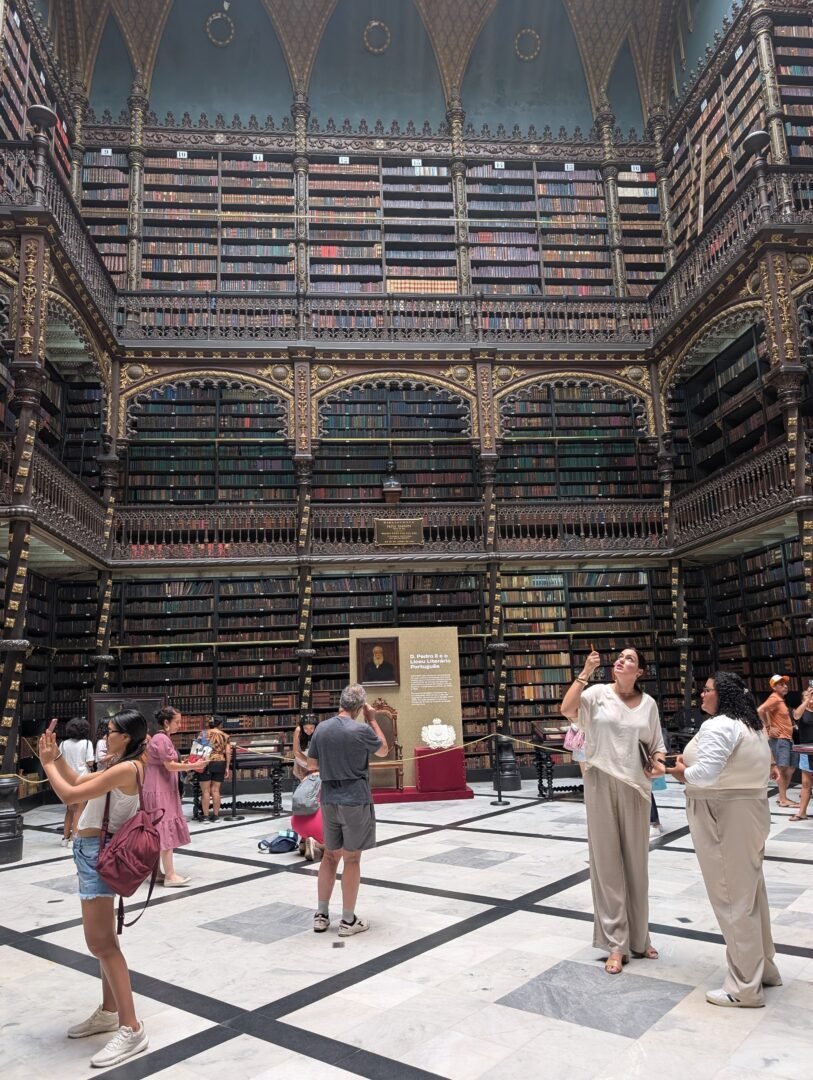
- For book lovers visit the national library: Fundação Biblioteca Nacional and then be awed by Real Gabinete Português de Leitura, the Portuguese reading room with over 350,000 books!
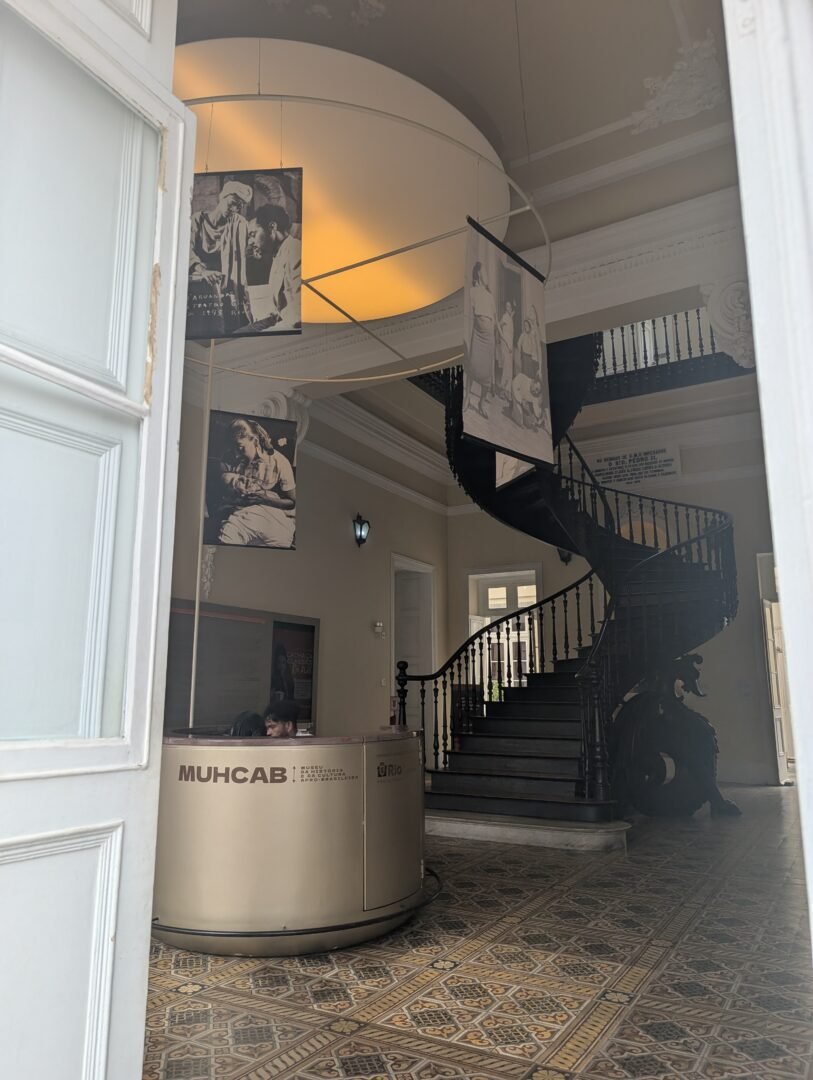
- Walk around Pedra do Sal or Little Africa, the oldest continuously inhabited Black neighborhood in Rio. Pedra do Sal was officially recognized as a quilombo in 2005 and is a strong source of Afro-Brazilian culture and the birthplace of samba and carnival. A must visit in the neighborhood is Museu da História e Cultura Afro-Brasileira (MUHCAB) a free museum that tells the story of the region that witnessed the largest landing of enslaved Africans in the world. The museum highlights Afro-Brazilian resistance, quilombos (maroon settlements), and creativity. It has a small but well curated library of books that detail the diasporic Black experience. It was a delight to see all the book covers from familiar titles to new me titles. The book cover game in Brazil is A1!
- A 15 minute walk from MUHCAB is Casa Omolokum, a hybrid bookshop, cafe, and bar specializing in Afro-Brazilian cuisine. You can find acarajé, farofa, vatapá, and drinks toasted with cinnamon, orange, and cachaça all in homage to the orixás.
- Hit the hotspots: get a photo op at Escadaria Selarón, or Selarón Steps, a 250-step staircase decorated with more than 2,000 carefully placed tiles from around the world.
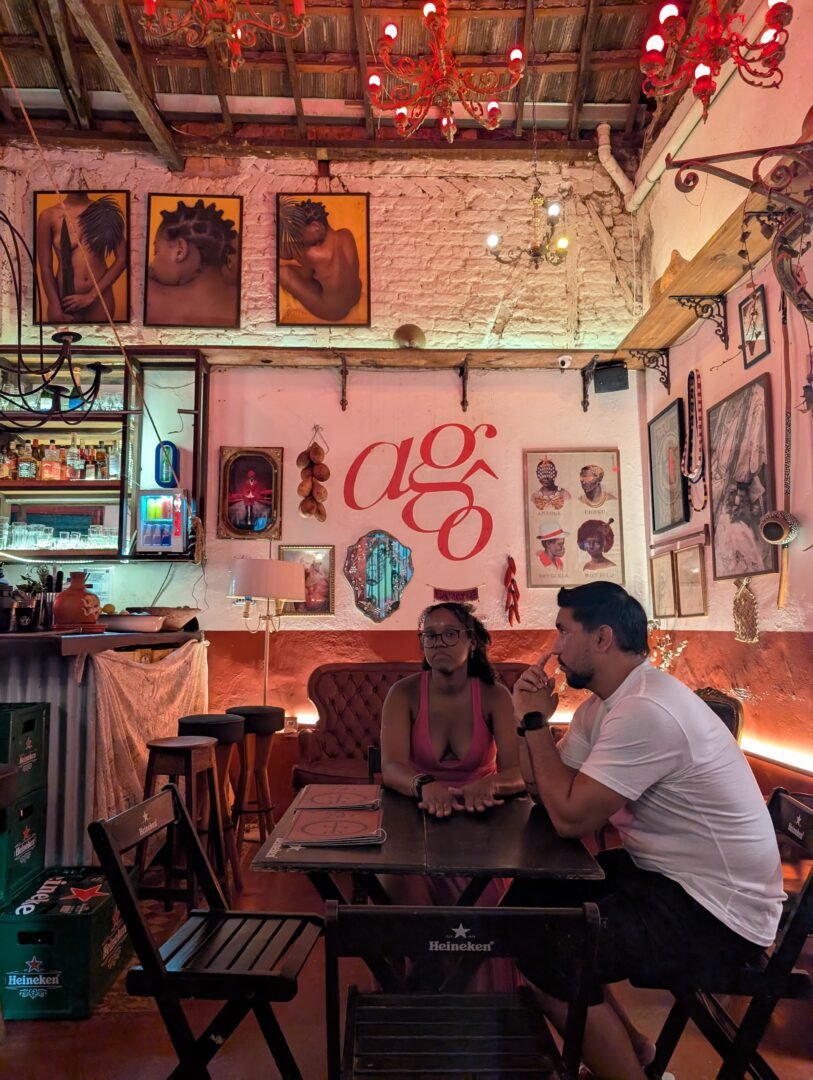
Take the cable car up Sugarloaf Mountain. See Christ the Redeemer. - For restaurants that bring a great point of view to their food I would recommend visiting Yaya Comideria Pop Brasilieria,inspired by the acarajé stalls that enabled many women to buy their freedom. Agô in Santa Teresa celebrates the Afro-religious populations and their culture through décor and food. The menu features home-cooked versions of traditional dishes that are inspired by foods of the Orixás. I love a good playlist and Agõ’s has been the soundtrack to my week.
Want help designing your dream trip? We plan private experiences! We have existing group itineraries in Nairobi and Diani Kenya, Cape Town, South Africa, Johannesburg, South Africa, Zanzibar, Tanzania, Accra, Ghana, Cartagena, Colombia, Bogota, Colombia, Mexico City, Mexico, and Puerto Viejo, Costa Rica that can be customized. Fill out our private trip interest form or email jalisa@bookedtrips.com for more information.